The 12-Month Wedding Planning Timeline (What to Book When)
Hundred-task checklists make weddings feel like a second job. Planning is really a dozen decisions with long gaps. Here is when each one is actually due.

Every wedding checklist on the internet has a hundred and forty tasks and starts shouting at you eighteen months out. Ignore them. Planning a wedding is really only a dozen decisions with long gaps in between, and the whole trick is knowing which ones are time-sensitive and which ones just look urgent.
Here is the honest shape of it. A year out you need a budget, a rough guest number and a venue. Nine months out, the suppliers that sell out. Six months out, the outfits. Three months out, the paperwork and the invitations. The last month is logistics and the last week is delegation. That is the entire skeleton. Everything else hangs off it, and most of it is far more flexible than the checklists admit.
Twelve months out: the three big rocks
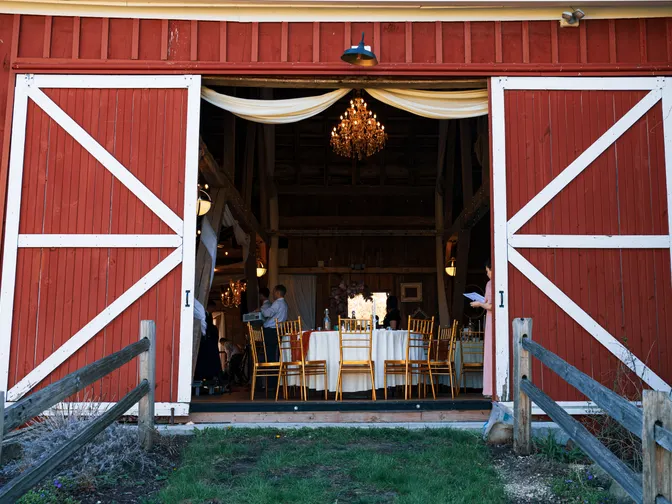
Before anything else, you need the three numbers we walk through in our guide to starting your wedding planning: a budget you have both agreed, a rough guest count, and a date or at least a season. Then the venue, because until the venue is booked nothing else can be. The venue fixes your date, your capacity and half your spend in one signature, which is why it is the only decision I would genuinely hurry.
That is the whole first month or two. If you are engaged and further out than a year, lucky you: nothing extra is required, the timeline just gets more comfortable.
Nine to six months out: book whatever sells out
A small set of suppliers can only do one wedding a day, and the good ones fill their calendars a year ahead for summer Saturdays. Photographer first, then the caterer if your venue does not feed people, then the band or DJ, then a florist if flowers matter to you. Registrar or celebrant belongs in this window too, and sooner if your date is peak season.
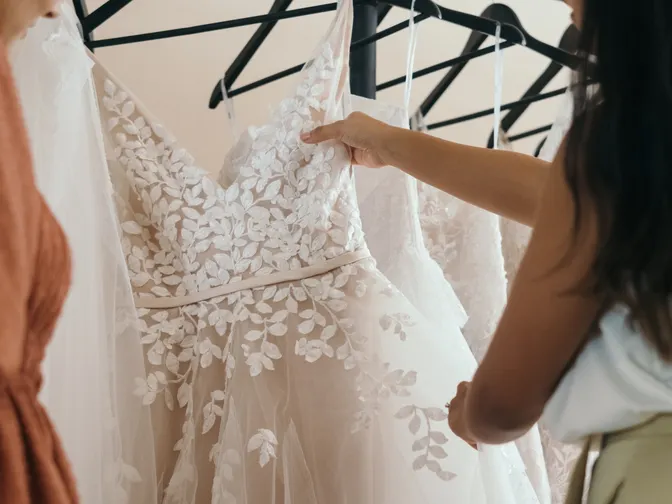
This is also the window for the dress, which surprises people. Made-to- order gowns take four to six months to arrive and then need alterations, so trying things on at the six-month mark is not early, it is on time. Suits are quicker, but not last-minute if they are being made.
Send save-the-dates once the venue is confirmed, especially for a summer wedding, a destination, or anything near a school holiday. A simple message does the job. Its purpose is to claim the date in people's diaries before their cousin's wedding does.
Six to three months out: the middle stretch
This is the quiet phase, and couples either enjoy it or fill it with invented emergencies. The genuine tasks: finalise the guest list, order the cake, book transport and accommodation, and choose the rings. If you have been putting off the harder guest list conversations, do them now while there is still slack in the numbers; our guide to deciding who to invite makes the cutting kinder. Everything else in this window, the styling, the playlists, the favours, is genuinely optional and genuinely moveable.
Three months out: paperwork and post
Two things in this window have real deadlines. The legal notice: in England and Wales you must give notice at your local register office at least 29 days before the ceremony, and it is valid for a year, so get it done early in this window and forget about it. Other countries have their own versions, all of them unbothered by your flower choices, so check yours now rather than in the final month.
Then the invitations, out at about the eight to ten week mark, with an RSVP date around four weeks before the day. Earlier feels efficient but backfires: people cannot answer for a date five months away, and the replies arrive in a slow, forgettable trickle. As the RSVPs come in, this is the moment the final supplier balances start falling due too, so keep the budget close at hand.
The last month: numbers and logistics
The final month is admin, and it is fine. Chase the stragglers who have not replied, because there are always stragglers and they are always surprised to be chased. Give the caterer final numbers and dietary notes. Confirm arrival times with every supplier in one round of messages. Do the seating plan only after the numbers are final, never before, or you will do it three times. Book a hair and makeup trial if you have not had one, and wear the shoes in around the house.
The last week: hand it all over

The only job that matters in the final week is making yourself redundant. Write the running order, one page, with times, names and phone numbers, and give it to two people who are not you. On the day, suppliers with questions ask them, not you. Couples who do this eat breakfast slowly on their wedding morning. Couples who do not spend it on the phone to a confused delivery driver. It is the cheapest upgrade available.
One list, one countdown
None of this needs a hundred and forty reminders. It needs one checklist you both can see, roughly in this order, with the few real deadlines marked. That is exactly how the checklist and countdown in our free wedding planner work, and you can set yours up in a couple of minutes, add your date, and watch the plan pace itself. The aim is not to do more wedding admin. It is to always know that nothing urgent is being missed, which is a different and much calmer thing.
Timeline questions every couple asks
How long does it take to plan a wedding?
Twelve to eighteen months is comfortable, but the honest minimum is however long it takes to get the venue and key suppliers you want. The tasks themselves fit easily into six months. What needs time is availability, and midweek or off-season dates shorten every queue.
Can you plan a wedding in 6 months?
Yes, and thousands of couples do. The compression all lands in the first month: budget, guest number, venue and the sell-out suppliers need sorting almost at once, and you may need flexibility on the exact date or day of the week. After that sprint, the timeline looks like everyone else's.
When should save-the-dates and invitations go out?
Save-the-dates as soon as the venue is booked, typically eight to twelve months ahead. Invitations at eight to ten weeks, with an RSVP deadline about four weeks before the day. Destination weddings shift everything earlier by a couple of months so guests can arrange travel.
What should you book first for a wedding?
The venue, always, because it fixes the date, the capacity and half the budget in one decision. Immediately after it: photographer, caterer if the venue does not include one, and music, because each can only do one wedding a day and the good ones sell out a year ahead for peak dates.
When do you give notice of marriage?
In England and Wales, at your local register office at least 29 days before the ceremony, and the notice stays valid for twelve months, so doing it around the three-month mark is ideal. Rules differ elsewhere, including Scotland and Northern Ireland, so check your local requirements early rather than trusting a generic checklist.
Start your plan, free
Add your date and watch the countdown begin. The checklist, budget and guest list are waiting.
Create your free accountPhoto by Alejandro Aznar via Pexels. Additional images via Pexels.
← Back to The Planning Notes